Company Culture Matters More Than Ever in 2025
By Tracy Lawrence, Founder & CEO, The Lawrence Advisory
 Although most leaders recognize the importance of organizational culture in driving business performance, many struggle to truly understand their culture and implement effective change when needed. With the new year promising both growth and uncertainty, fostering a healthy workplace culture will be critical as organizations navigate a rapidly evolving landscape, widespread burnout, resource constraints and other challenges. Although most leaders recognize the importance of organizational culture in driving business performance, many struggle to truly understand their culture and implement effective change when needed. With the new year promising both growth and uncertainty, fostering a healthy workplace culture will be critical as organizations navigate a rapidly evolving landscape, widespread burnout, resource constraints and other challenges.
In this demanding environment, organizations can no longer afford to let their cultures evolve passively or cling to outdated norms. Success in 2025 and beyond requires actively shaping culture to align with strategic goals instead of allowing it to develop by default.
Cultural transformation is notoriously challenging. Most organizational change efforts fail, even when initiated with the best intentions. Achieving success demands sustained effort, clear direction, and buy-in at all levels, often requiring years of dedication.
The difficulty is compounded by the fact that culture is deeply intertwined with the personalities and behaviors of senior leaders. These traits, which may seem minor at lower levels, become magnified at the executive level, influencing the entire organization. Further, most organizations don’t have a single culture but multiple “microcultures” across teams and departments, adding layers of complexity.
Balancing these dynamics while keeping the organization running smoothly requires strategic thinking and precise execution. Yet, the rewards of a well-aligned and productive culture are worth the effort. Here’s how to master this vital work in 2025.
Peter Drucker’s famous observation that “culture eats strategy for breakfast” has never been more relevant. Research shows that employees who feel connected to their organization’s culture are four times more likely to be engaged at work and nearly six times more likely to recommend their workplace to others. These statistics cannot be ignored in an era where talent attraction and retention are key competitive advantages.
However, many organizations struggle to implement cultural transformation. McKinsey Global Institute research reveals that only about 30% of organizational transformation efforts succeed, a statistic that has remained stubbornly consistent over time. It’s time for a cultural reset if your organization is experiencing any of the following warning signs:
- High turnover rates and declining employee engagement
- A culture of finger-pointing and lack of accountability
- Persistent unresolved conflicts
- Employees feeling afraid to speak up or share ideas
- Excessive bureaucracy or inefficient decision-making
Additionally, if leaders are consistently avoided rather than actively engaged, or if teams resist following their designated leaders, these are clear indicators of cultural misalignment that need to be addressed.
Five Strategies for Successful Culture Change
1. Start with an honest assessment.
Begin by deeply examining your current culture and understanding its origins. Leadership personalities and behaviors often shape culture, and what worked in the past may now be hindering progress. Use both quantitative data from surveys and qualitative insights from interviews and focus groups to uncover the root causes of cultural norms.
2. Embrace microcultures.
Recognize that culture isn’t monolithic. Different teams and departments benefit from tailored approaches. For example, what works for marketing may not suit production, and finance and sales often operate under distinct protocols. Allow for diverse cultural expressions across teams while ensuring core values and principles remain consistent.
3. Address burnout systemically.
With burnout at critical levels, cultural transformation must prioritize employee well-being. A thriving culture must build trust through transparency, foster psychological safety, and encourage open conversations about workload and capacity. Preventing burnout is not only about being a responsible employer but also about ensuring organizational resilience.
4. Align leadership and communication.
Leaders who communicate a compelling vision for transformation are nearly six times more likely to succeed in cultural change efforts. Conversely, disconnects between leadership behavior and stated cultural goals breed cynicism and resistance. Ensure that leaders not only endorse but also embody the desired cultural shifts.
5. Measure what truly matters.
Develop metrics to track the progress of cultural transformation. Combine data from regular surveys with qualitative insights to understand not only what is happening but also why. Monitor key indicators such as decision-making processes, conflict resolution patterns, and idea flow. These metrics should tie directly to strategic objectives and guide continuous improvement.
Building a Culture of Excellence
Above all, leaders must actively engage with culture management as a strategic imperative rather than delegating it as an HR responsibility. By assessing, aligning, and transforming your culture with intention, your organization will be well-positioned to thrive in an increasingly complex business environment.
The challenge is significant, but the cost of inaction is far greater. As we step into 2025, the question isn’t whether your organization will face cultural challenges, but whether you’ll meet them with a proactive, strategic approach. Organizations that invest in resilient, adaptable cultures will be the ones best equipped to navigate change and emerge stronger.
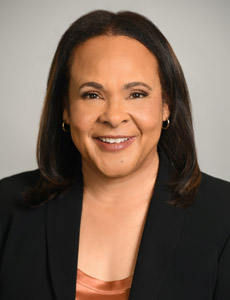
Tracy L. Lawrence is the founder and CEO of The Lawrence Advisory, a leadership consulting firm that advises clients through executive coaching, recruiting high performing teams, developing engaged cultures and scaling businesses. She held leadership roles at Russell Reynolds Associates, Fox Corporation and Viacom. She recently served as executive-in-residence at the Marshall School of Business at University of Southern California. She holds a BA in economics from Stanford University and an MBA from Harvard Business School.
SHARE THIS ARTICLE

|